相較於太陽能及風力發電,潮汐發電的好處在於其發電量是「可預測的」,據 BBC 報導,一些電力業者也認同這項計畫,因這種「可預測的」發電模式,可讓其與現有電網併網發電時,較容易運作。
此外,對於外界擔憂潟湖發電廠恐影響當地生態,潮汐潟湖電力公司則不諱言「一些回游魚群可能會游入渦輪裡」,但預計為數極少,且該公司表示,海牆可充當人工魚礁,作為魚群的棲息地。
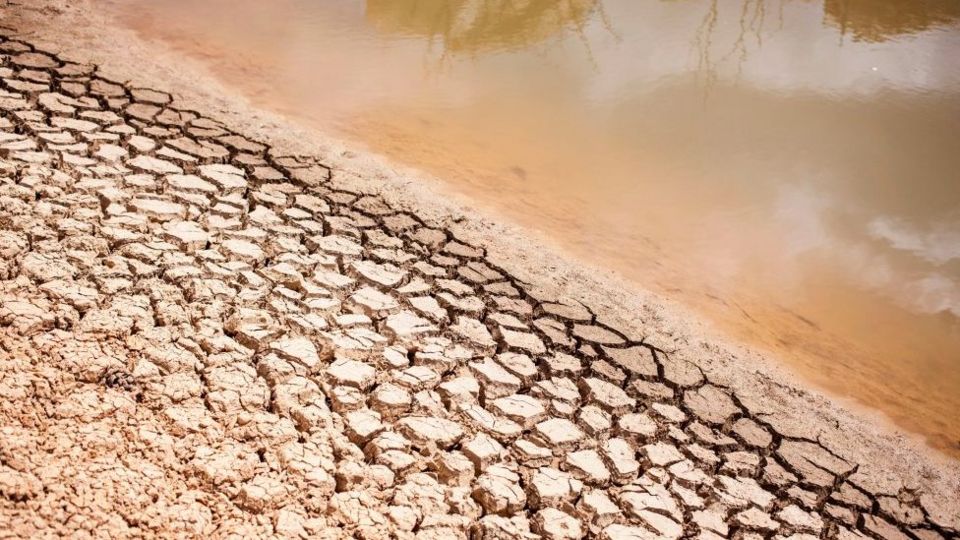
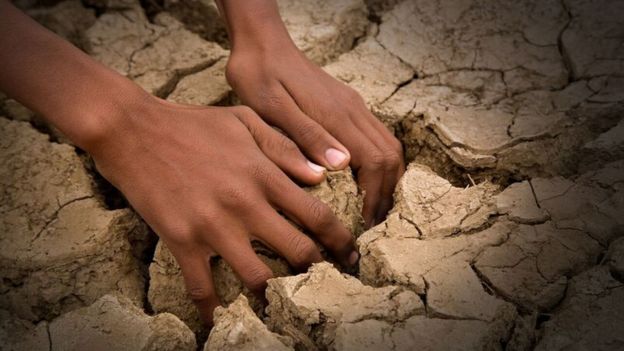
This picture shows scorched earth and low water levels in South Africa, as a result of draughts
Scientists studying the effects of climate change have warned that we need to make massive changes to the way that we live our lives in order to tackle the problem of global warming.
They've also said that we need to do more than we previously thought we did.
A target was in place for us to try to stop the world's temperature from rising by any more than 1.5°C. Not only are we not meeting that target, but the report suggests that the world is in fact heading for a 3°C increase in temperature.
This could have huge consequences for the planet and experts are calling on world leaders to tackle the problem urgently.
According to the report - which has taken scientists three years to put together - keeping the temperature rise to under 1.5°C will require "rapid, far-reaching and unprecedented changes in all aspects of society".
It explains that time is running out and it will be hugely expensive, but the opportunity to do something is still possible - if action is taken now.
What do they say we need to do?
In the report, scientists outline steps we can take to help the world's temperature to stay under the 1.5°C target.
These include:
The amount of CO2 being emitted into the atmosphere around the world needs to go down by 45% from 2010 levels by 2030
85% of the world's electricity needs to be produced using renewable energy (e.g. wind farms)
We need to stop burning coal as an energy source
To enjoy the CBBC Newsround website at its best you will need to have JavaScript turned on.
Scientist warning over climate change and global warming
What happens if we don't take action?
Basically, they say it would be very bad news for the planet.
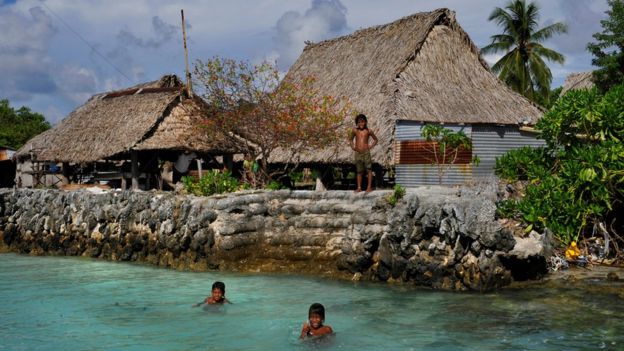
Coral reefs would be wiped out with a 2°C increase in temperature and global sea-levels will rise around 10cms, which would increase the risk of flooding for millions of people around the world.
The ability to grow certain crops like rice and wheat could also become more difficult.
The report says hard decisions can't be ignored anymore and governments need to take more action "immediately".
Is this a new issue?
The short answer is, not at all.
Back in 2015, leaders from 195 countries around the world got together to sign something called the Paris Agreement, which was a huge international deal making promises to do something about climate change.
Getty Images
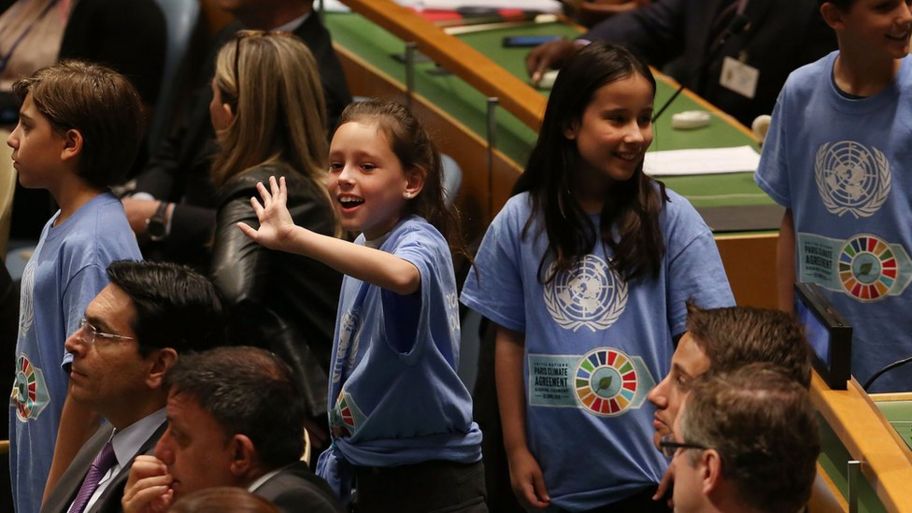
Children from around the world stood alongside world leaders and country delegates at a signing ceremony for the Paris Agreement
One of the big things that leaders agreed was to take steps to stop global temperature increasing by more than 2°C - and to try to limit it to 1.5°C.
But one of the heads of this new study Prof Jim Skea believes that we now need to go further than what was agreed in the Paris deal. "Just fulfilling the pledges made in the Paris agreement for 2030... is not good enough," he said.
Watch this video from 2015 which explained the issues around climate change ahead of the Paris agreement being signed.
To enjoy the CBBC Newsround website at its best you will need to have JavaScript turned on.
WATCH: Newsround's quick guide to climate change (2015)
In August 2018, a big report was published about something called Hothouse Earth conditions.
The international team of climate researchers behind the report explained how they believed the world is at risk of tipping into extremely dangerous levels of climate change - 'Hothouse Earth conditions' - when some parts of the Earth could actually become unsuitable for people to live in anymore.
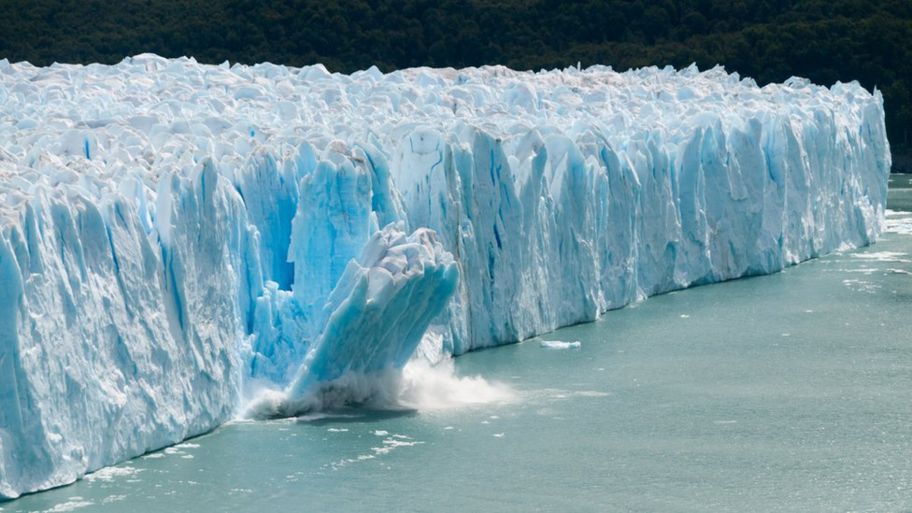
They said current global warming could lead to sea levels being between 10-60m higher than they are today, flooding large areas of land.
Getty Images
The Hothouse Earth report talked about how melting ice sheets would cause sea levels to rise significantly.
They also explained how forest, oceans and land which currently work to soak up about 4.5 billion tonnes of carbon (they get called 'carbon sinks' because of this) could actually start to emit carbon themselves, increasing the world's temperature even more.
Overall, the report - published in the Proceedings of the National Academy of Sciences - said warming could lead to a higher global temperature than at any time in the past 1.2 million years.
It also suggested that humans had possibly underestimated how sensitive the Earth is to warming.
One of the scientists involved in the report - Prof Rockstrom from Stockholm Resilience Centre - explained how the recent heatwaves and extreme conditions around the world may be helping to show how quickly and dramatically things can change.
EPA
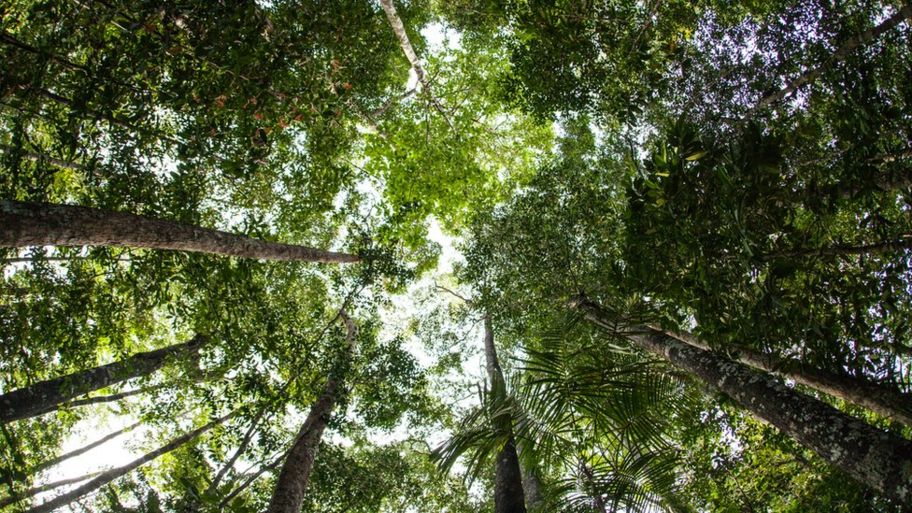
Experts have said that there are many steps humans can take to help to reverse the effects of global warming, such as planting more trees
The issue is that, while the biggest impacts of all this may not be felt for hundreds of years, once it starts, we won't really be able to do anything about it - so experts say it's important we take steps now to stop the 'Hothouse Earth' situation from happening.
The report included some pointers about how countries might do this, including:
Stop burning fossil fuels by the middle of this century
Planting more trees
Protect forests
Work out how to block the Sun's rays
Develop machines to suck carbon out of the air
While many scientists say their conclusions are sound, not everyone agrees with what they have written. Some experts say that the picture painted by the Hothouse Earth report is too extreme.
But one thing that everyone seems to agree on at the moment is that humans need to make some big changes in order to protect our planet.
What can YOU do to help?
There are several things that you can do at home to do your bit to protect the planet.
Here are five things to get you started!
Plant trees - Whether it's in your garden or getting involved in planting trees around your local area, the more trees, the better!
Shop responsibly - Buy less meat, milk, cheese and butter and more locally sourced seasonal food. Unnecessarily flying food products around the world is a source of CO2 emissions.
Don't be wasteful - A huge amount of food is chucked away every single day. Be more savvy with your food waste - could you make it into something else?
Travel smart - Transport is a huge factor in carbon emissions, so think about more green ways to travel. If it's a short distance, could you walk or cycle? If it's slightly further, could you take a train or a bus, instead of driving? Do you know any adults who drive petrol or diesel cars - could you tell them about electric ones?
Save energy - We could all probably use less electricity around the house. Is it nice weather outside? Could you hang the washing out to dry rather than use a tumble dryer? Do you really need to leave all of those lights switched on? Do you really need to have the heating on or could you put on another jumper? Has your house got good insulation? All of these considerations help to save electricity and - therefore - the planet.
IPCC報告另一名主要作者、英國倫敦帝國學院(Imperial
College London)環境與氣候變遷講師羅格爾(Joeri
Rogelj)說,《巴黎協定》的內容「顯然不足以滿足1.5°C目標」。美國阿帕拉契州立大學(Appalachian State
University)環境科學家馬爾蘭(Gregg
Marland)數十年來為美國能源部持續追蹤溫室氣體排放量,他認為IPCC的報告只是學界的幻想,1.5°C目標「如同青蛙長出翅膀一般不可能」。
明明是知名學府史丹福大學生物化學系教授、世上基因表達研究領域頂尖學者之一, Patrick O. Brown 在 2011 年突然「轉行」創業,這個舉動對於很多人來說很不智、很冒險。
不過,
Brown 卻成功建立了 Impossible Foods (下簡稱 IF)這家素肉公司, IF 亦在短短幾年間由寂寂無名,到近年李嘉誠、
Bill Gates 、谷歌等累積投資 IF 近 4 億美元的火熱食物科技企業——甚至有傳有公司曾想花 3 億美元買起 IF ,但被 Brown
斬釘截鐵拒絕。到底 IF 有什麼魅力,又或什麼特別的技術令人著迷?
今次,小弟有幸獲香港公關公司 Stir Public Relations 邀請,飛到矽谷 IF 總部訪問 Patrick Brown 與一眾高層,進入實驗室、工廠等重地,了解 IF 的素肉如何救地球。
2009 年休假期間, Brown 有感氣候變化問題迫在眉捷,決定尋找方法製造更可持續的肉類。他除了以自己人脈集合一批志趣相投的學者,同時他亦隻身拿住電腦與計劃書,踏單車到投資者家外叩門,並成功取得首批數以百萬計美元的資金。
最終 Brown 在 2011 年成功成立 IF ,自此不斷研究受人喜愛的肉類味道與顏色來源。現時 IF 有約 300 個員工,當中 250 位是有博士學位,只有約 50 位負責市場推廣以及工場製肉工作,焦點極度集中於研發上。
團隊經過多番研究,發現血紅素 (heme) 就是當中秘密,這種含鐵分子在許多植物、真菌、動物,以至人類身上也有;血之所以是紅色,正正也是因為這種蛋白質。而利用基因工程技術, IF 的研究團隊成功地以酵母 Pichia pastoris 製作出血紅色的大豆血紅蛋白 (Leghaemoglobin) ,不需不斷掘出大豆樹根的根瘤製造血紅蛋白。
IF 的素肉現時的主要成份包括織紋小麥蛋白、椰子油、黃原膠、馬鈴薯蛋白以及豆血紅蛋等,全部都來自植物,只要將之混和即可搓成漢堡扒或製作出其他你想要的肉類菜式。
自
2017 年, IF 主動接觸了多個明星廚師如 David Chang 、Michael Symon 等,期望在他們的餐廳出售以 IF
素肉製造的菜式,從而令更多人接觸素肉,減少碳排放。在美國本土原本只有 40 間餐廳有 IF 素肉菜式,至今年已有逾 3,000
間餐廳包括連鎖快餐 White Castle 售賣 IF 素肉食品,擴張十分神速。
雖然美國人平均每周食兩次漢堡,但要達到全球肉食零排放,一定要將素肉推廣至全世界。第一站就是香港這個中西匯聚的國際大都會。
IF 在本年 4 月中正式登陸香港,當時只有三家餐廳售賣 IF 素肉。不過,截至現時為止,港澳地區已有 60 多家餐廳、酒店使用 IF
素肉,而且售賣的不只是漢堡,更有清真牛肉包、擔擔麵、墨西哥粟米片等等不同國家菜式,總有一款適合香港人口味。
IF
素肉版圖擴張快,與其取態有關—— IF 從來不是為素食者製作素肉,而是希望更多「食肉獸」接受吃素肉。根據 IF
委任第三方機構所做的調查發現,超過七成食 IF 素肉的食客也非素食者,只有 3% 受訪者表示從未吃過以動物製作的食品。而在 IF
最新所做的盲測中,更有一半試食者認為 IF 素肉味道比真肉優勝,比 5 年前首批製作的素肉只有 10% 人有相似看法的結果大為改進。
事實上,對比 4 月在香港所吃的 IF 素肉,是次來到矽谷總部、各餐館所試的 IF 素肉菜式均較有肉味、質感更像真肉。這有賴 IF 團隊每日仍不斷在實驗室研究更好的素肉材料配方,希望做到比真肉更環保、更有營養的素肉。
IF 總部實驗室中,與肉味相關的化學分子有專門團隊負責嗅過,然後將味道記錄以作日後翻查使用;亦有專人負責對比 IF 素肉與真肉漢堡扒的質感分別。與實驗室相連的廚房則有員工每日煎扒記錄每個批次煎出來的顏色、肉香等資料,每個細節都一絲不苟。
在實驗廚房檢驗的 IF 素肉扒
現時, IF 只有位於加州奧克蘭的 6.7 萬呎廠房,能生產的素肉量僅佔美國每年消耗 90 億牛肉的 0.02% ,驟眼所見設備也較為簡單。故此,除了希望將素肉產量提升至每月 400 萬磅, IF 亦計劃開第二個素肉工廠製作更多素肉。
隨著特朗普宣佈退出《巴黎氣候協議》,各界也擔心碳減排之路更難行。八月底,耶魯大學的研究更指,只由城市、地區與企業自發減排,無法完全抵消全球第二大排放國美國退出協議的影響,並不能達致協議的「2°C 溫升限制」目標,令到本世紀末,全球溫升仍會達 3.3°C 左右。
不過對於
Impossible Foods 的行政總裁 Pat Brown 來說,世事無難事只怕有心人。對於如何看特朗普所作所為, Brown
笑稱從未被記者問過類似問題,但他指出,與其等政府行動,還不如自己做點事減排碳。現時 IF
的素肉製造連同運輸所產生的溫室氣體只是飼養傳統牛肉的八分之一,雖然要全部人停吃肉是「發夢、不切實際」,但如果能讓人接受好味的素肉卻可大大改善氣候、生態保育問題,對地球以及所有生物也有好處。
IF 指,由於大豆血紅蛋白是肉味的主要來源,理論上在素肉中加減其含量則可模彷豬、雞、羊等各種肉類。不過, Pat Brown 與其他高層都認為現階段應先專注解決牛破壞環境這個問題,不會急於推出其他種類的 IF 素肉。
IF
的營運兼財務總監 David Lee
曾在多家上市公司從事財務、制定策略等工作,他在聚餐時就指根據內部分析其實食客願意在家中還是到餐廳試「新嘢」是一半一半機會,但 IF
最終決定先向餐廳與廚師埋手,他們相信這樣更有效地宣傳 IF 素肉的美味,顧客也不會在家中不知如何烹調素肉。此外, IF
暫時亦不會考慮零售其素肉。
Impossible Foods 營運兼財務總監 David Lee
雖然現時只有香港一個海外市場,
IF 透露來年會於新加坡設第二個素肉供應點。隨著亞洲經濟增長加快,相信在未來數十年其肉食需求可能會被現時多 70% ,因此 IF
更著眼於亞洲市場。而打進亞洲市場, Brown
亦不認為有什麼特別阻滯,因為他們所做的「從未有人做過」,而且各國衛生或食物安全部門都如美國食品藥品監督管理局 (FDA) ,進行 18
個月調查了解 IF 素肉當中的材料是否可安全食用。
食物安全的確是個非常重要的議題,新上任 IF 科學總監的 David
Lipman 在與《立場》的專訪中更深入探討相關問題。 Lipman 來頭也非常猛,他除了是美國國家科學院院士外, 1989-2017
年曾出任美國國家生物技術資訊中心 (NCBI) 總監,期間他創立 PudMed
這個網上搜尋引擎,免費提供生物醫學方面的研究論文摘要,對學界也有相當大的貢獻。
Impossible Foods 科學總監 David Lipman
Lipman
指, IF 素肉所有成份除了大豆血紅蛋白之外,均是天然存在的農產品,並不如試管或合成肉 (cultured meat)
一樣被當局阻撓推出市面。而大豆血紅蛋白製造方法,與基因改造技術有相似之嫌,但基因改造技術在美國現時並非主流關注的議題,因為基改食品由面世至今已過
25 年,經歷多年「美國人已清楚知道基改食品是相當安全。」
至於有些人因敏感而不吃牛肉, Lipman 指現時所知的相關過敏反應,與 Alpha-gal
(半乳糖 -alpha-1,3- 半乳糖, galactose-alpha-1,3-galactose)
這種人類與其他舊世界猴子體內細胞沒有的糖份有關,當人類食用肉類時會攝取 Alpha-gal
,免疫系統會誤以為這種糖份為外來有害物,從而作出攻擊並產生蕁麻疹等發炎、過敏反應。不過 IF
素肉並無這種成份,而可能為外來物質的大豆血紅蛋白亦與人體的血紅素結構一樣,暫時未收到有食客出現過敏反應的報告,而且 FDA 亦確認大豆血紅蛋白可安全食用; IF 會不斷密切留意顧客的回饋,盡力改善素肉配方。
近期哈佛公共衛生學院流行病學家 Karin Michels 指椰子油並不健康堪稱「純毒藥」惹起外交風波。對於
IF 使用椰子油會否被指不健康, Lipman
指當初使用椰子油最初是因為口感、低溶點,並非以「更健康」為主要出發點。研究團隊亦正在嘗試使用其他植物油製作素肉
,令其口感與味道均更似真肉。而椰子油健康與否,主要圍繞飽和脂肪,但相對其他飽和脂肪的研究,椰子油成份更健康或較不健康的研究,其實理據相對薄弱,故此
Lipman 與 IF 團隊不認為椰子油特別不健康。
另外,早前有審視報告指維他命丸或其他礦物補充劑可能會增加早死機會,
IF 素肉雖然有添加多種微量礦物質,令其比真肉更有營養,但 Lipman 表示 IF 素肉的維他命含量是在「絕對安全水平」,而且 IF
所用的維他命或營養來源都是來自最高級的生產商。 Lipman
認為現時指維他命補充劑有害的研究證據相對較為弱,重點是坊間產品個別維他命含量太高,加上很多人都服食過多維他命,才會造成問題。
少吃肉(尤其牛肉)是大勢所趨, IF 素肉在營養上可媲美真肉,而且更為環保值得一試。當全世界都在討論究竟負排放吸碳設施、地球工程遮天是否可行,何不在更切身的飲食問題入手,緩減溫室氣體排放,還原森林地區,好讓生態恢復過來,亦讓全人類與後代有好日子過?
* * *
後記:是次到矽谷接觸到
IF 各高層,完全感受到他們希望為地球為環境出一分力的熱情。的確,如果連自己都無認同自己法所做之事,如何去說服人呢?最佩服的是 Pat
Brown
原本在基因研究範疇中是德高望重、世界級的學者,仍會放下身段選擇轉行研究素肉。最重要是他仍非常樂觀人類可扭轉劣勢,改變氣候現況回復正常,這種正能量是我們在環保路上必須使用有的。
再回望香港,政府在很多事情(包括環保)也比全球「慢幾拍」;正如
Brown
所說不如靠自己,問題卻是香港人對環保、氣候議題有多關心呢?很多時,他們只會關心「錢」、「麻煩」這兩回事。近年有很多研究都表明,氣候變化已造成經濟損失、食物產量以至營養都變低,是個非常切身的問題。然而,要所有人都明白到問題嚴重性,再改變生活習慣,仍然是條漫長之路。




 圖片版權 Getty Images